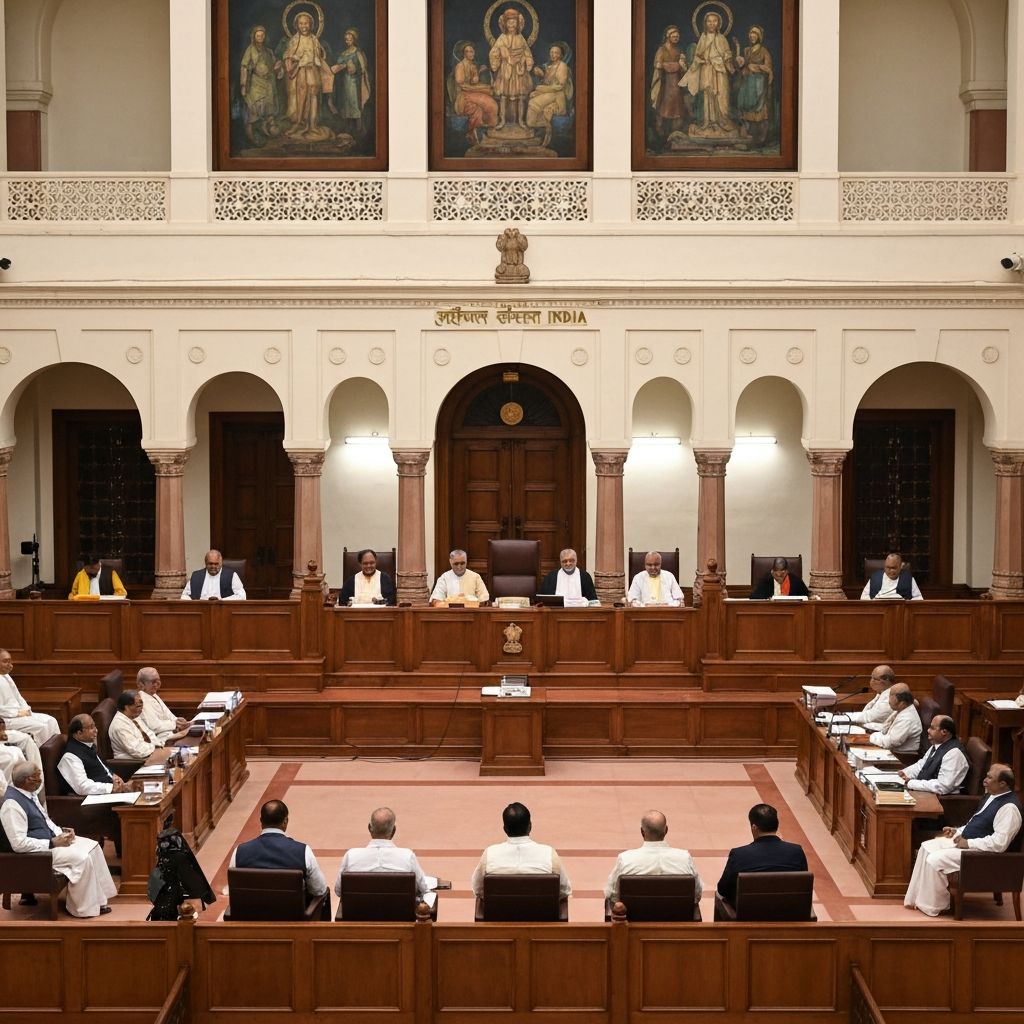
Dr. Sunita Menon v. Medical Board: Supreme Court Strengthens Patient Privacy Rights in Healthcare Records
The Supreme Court expanded the right to privacy protection to cover medical and healthcare records, establishing stringent norms for disclosure of sensitive health information by medical professionals.
Adv. Priya Sharma
Partner, Constitutional Law

Introduction
In Dr. Sunita Menon v. Medical Board of India (2026 INSC 23), the Supreme Court significantly strengthened privacy protections for patients by establishing that medical records constitute highly sensitive personal information protected under Article 21 of the Constitution.
Facts
A patient's complete medical history, including psychiatric treatment records, was disclosed by a hospital to an employer without consent. The patient sought damages and injunction against such unauthorized disclosure.
Key Holdings
- Healthcare Privacy: Medical records are intrinsically private and merit constitutional protection
- Informed Consent: Disclosure requires explicit, informed written consent specifying purpose and extent
- Accountability: Medical professionals are liable for unauthorized disclosure of patient records
- Statutory Duty: Hospitals must implement robust data protection mechanisms
Significance
This judgment aligns India's jurisprudence with international healthcare privacy standards and empowers patients to control their medical information.
Legal Disclaimer
This article is for informational purposes only and does not constitute legal advice. The information contained herein may not be applicable to all situations and may not reflect the most current legal developments. Please consult with a qualified attorney for specific legal advice regarding your situation.